01
Create the signal path
Add market data and a momentum indicator, then define what counts as a valid momentum impulse.
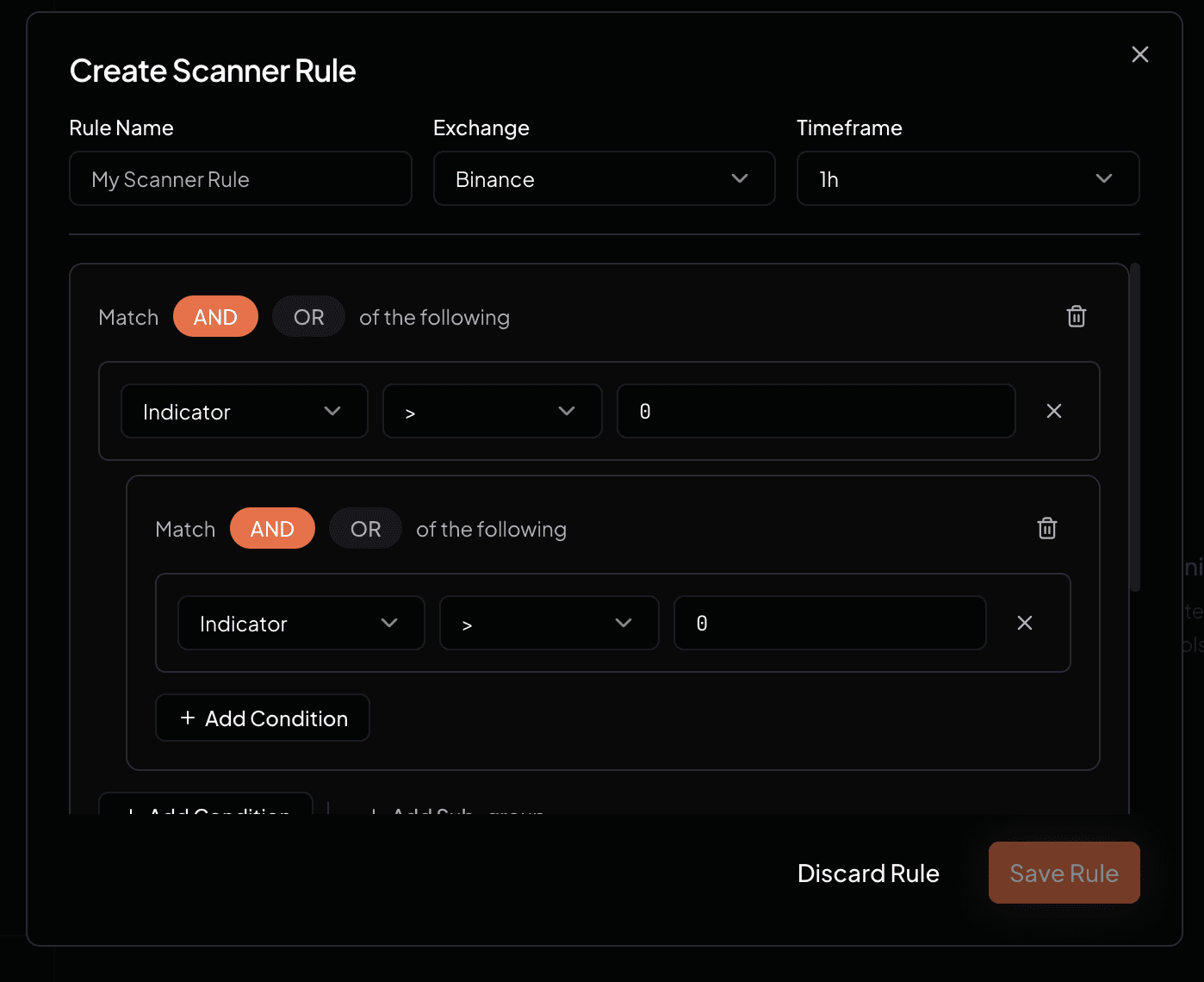
Create a simple momentum workflow, add a confirmation filter, define risk controls, and decide whether the idea deserves paper trading.
Build a momentum strategy draft where signal, confirmation, and risk controls are easy to inspect.
01
Add market data and a momentum indicator, then define what counts as a valid momentum impulse.
02
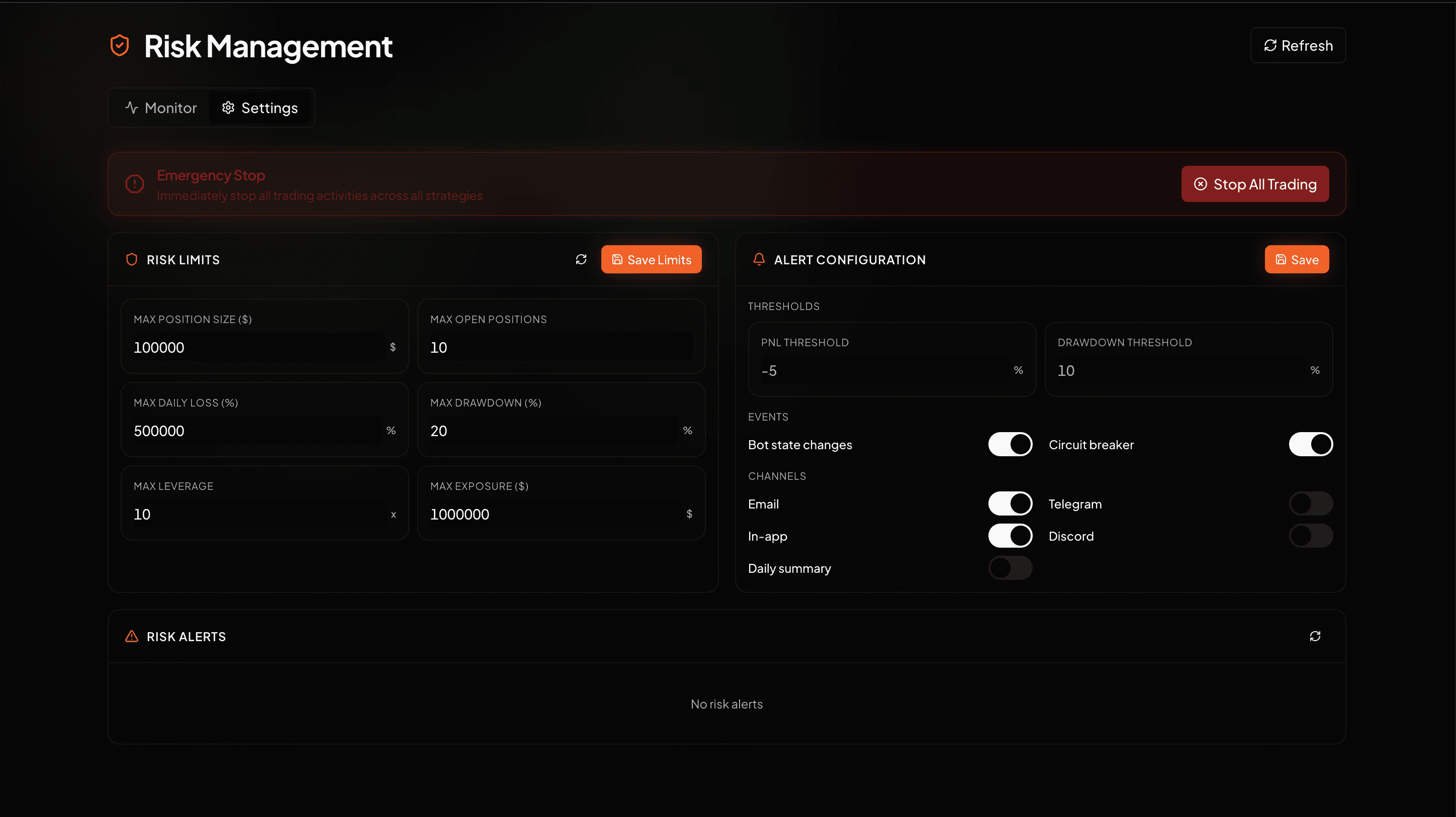
Use a confirmation filter and connect sizing, stop, or circuit-breaker logic before evaluating the strategy.
03
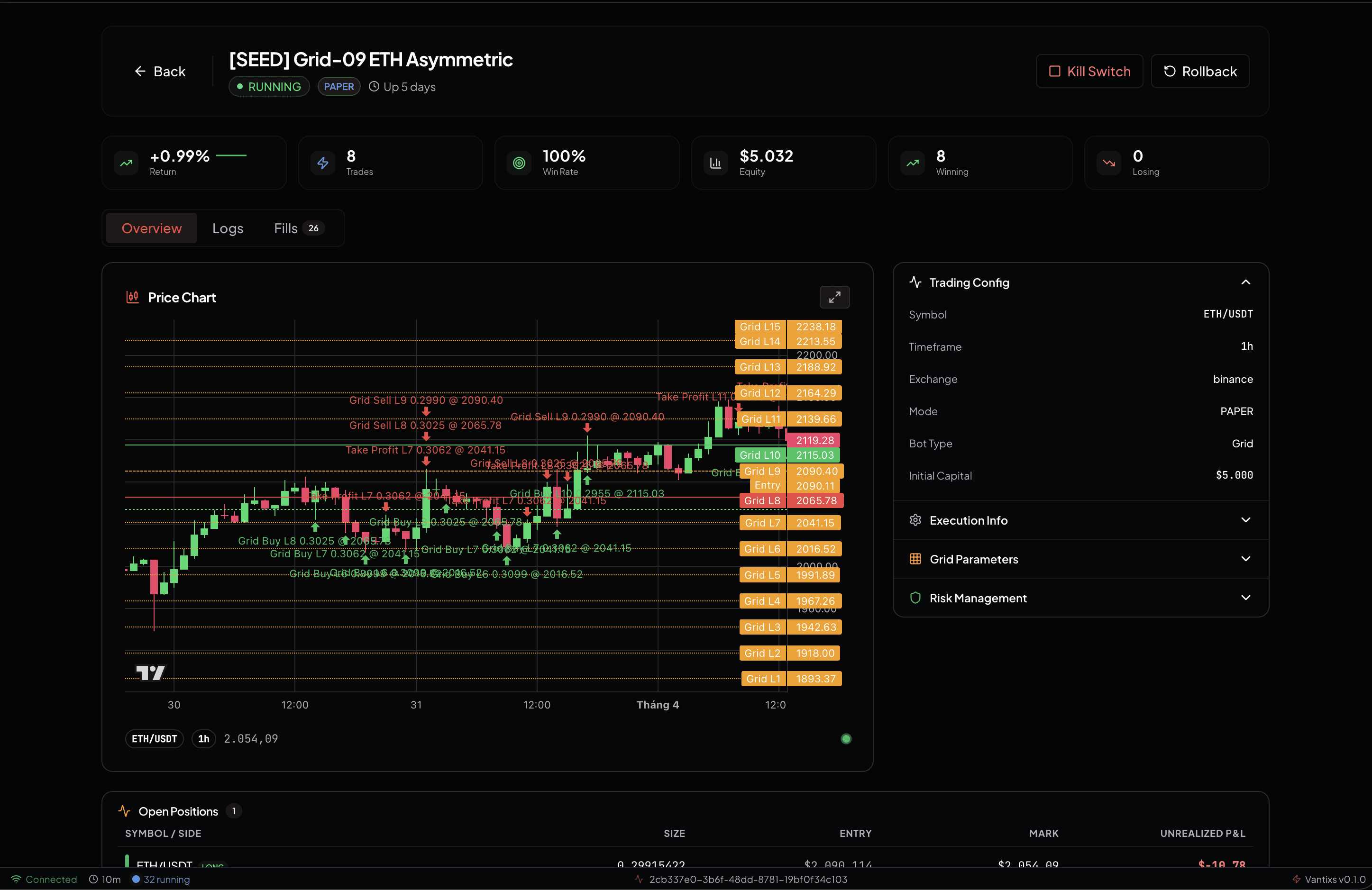
Review drawdown, trade count, fees, and behavior by market regime. Avoid treating a single return number as the conclusion.
Backtest assumptions
How to interpret the result
If the backtest looks unstable, personalize confirmation filters before moving into paper trading.
This page demonstrates a validation workflow. It is not financial advice.
Tutorial FAQ
Momentum strategies can fail when the market reverses quickly or trades sideways. That is why Vantixs emphasizes drawdown, signal frequency, and paper-trading review before real capital.
Yes. The strategy can be personalized by adding filters, changing thresholds, or adjusting exits on the canvas. Each change should be backtested and reviewed before paper trading.